
From Gibraltar to the Dardanelles.
Our operational area stretches from the Cape Spartel lighthouse at the entrance to Gibraltar to the line between the Mehmetcik and Kumkale lighthouses in the Dardanelles, and in a second phase to all countries along the Danube basin and the Black Sea. For the first two years, the focus is on the Adriatic.
Adriatic Sea
A closed, sensitive and heavily loaded basin along the major international shipping corridors. Priority zone during the first phase of operations.
Mediterranean
Connecting the Slovenian, Croatian and Italian coasts with the wider Mediterranean. Shared real-time AIS-based monitoring of maritime traffic.
Underwater and coast
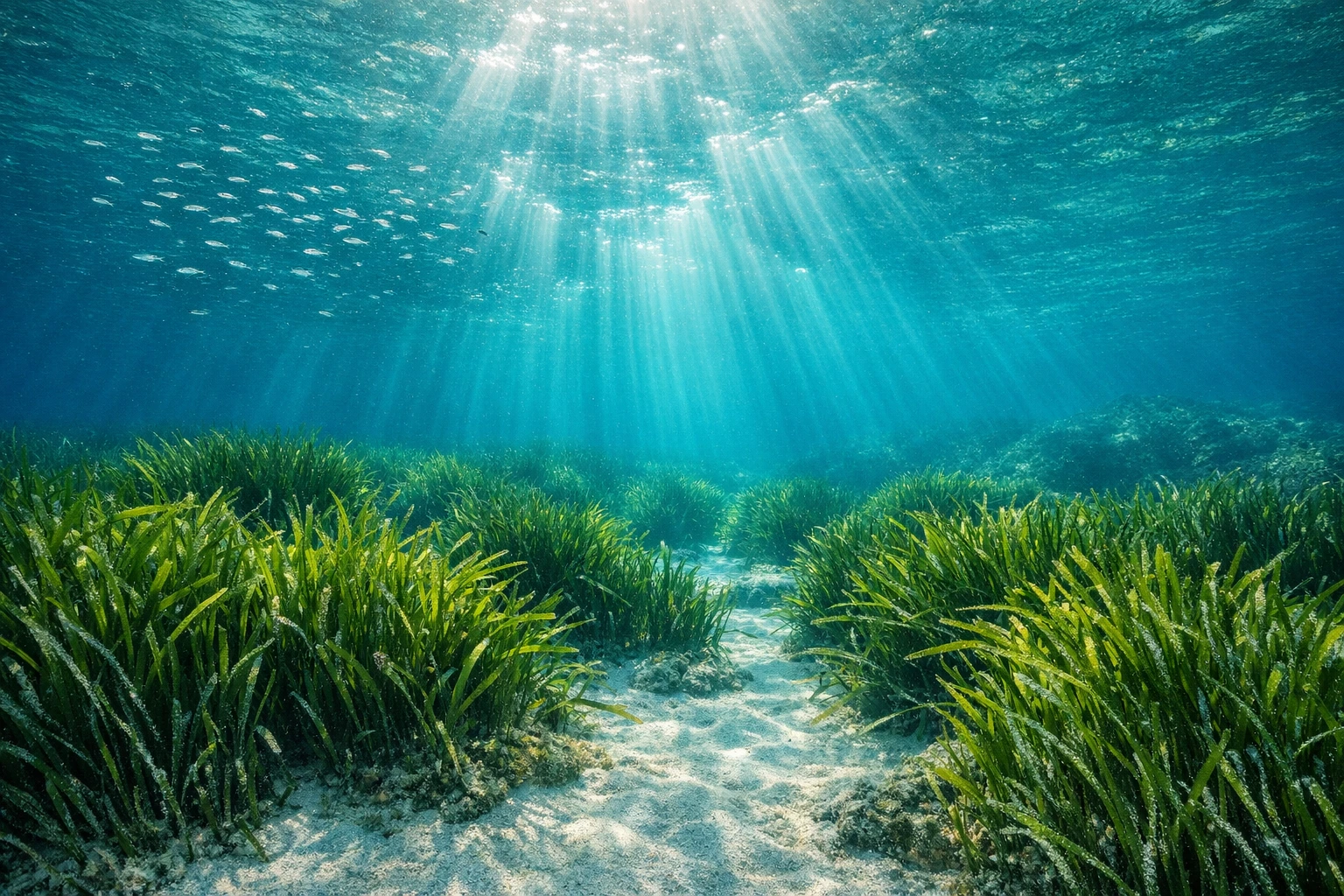
Posidonia meadows, underwater habitats, coastal nesting grounds and the rivers that deliver nutrients and pollutants to the sea.
Air above the sea
Monitoring ship emissions and airborne oil-spill surveillance with unmanned aerial vehicles. Preparedness before a slick reaches shore.
Monitoring and oversight of seas, rivers and lakes are critical to preserving ecosystems, protecting biodiversity and ensuring sustainable use of water resources. Water is the foundation of life, so its protection and careful management are indispensable for the health of the planet and the wellbeing of humanity.
The first reason for monitoring water bodies is tracking water quality. Pollution is one of the greatest challenges we face. Industrial waste, agricultural pesticides and other harmful substances can significantly affect water quality and ecosystem health. Regular monitoring allows rapid detection of pollutants and targeted mitigation.
Equally important is monitoring biodiversity in aquatic ecosystems. Many organisms — fish, shellfish, aquatic plants — are bioindicators. When populations decline, the ecosystem is in trouble, whether from overfishing, habitat destruction or changing currents. Monitoring these populations helps us understand how human activity affects nature and lets us act to protect vulnerable species.
Monitoring is also vital for managing the effects of climate change. Water responds to climate change through rising sea levels, temperature shifts and more frequent extreme weather. Monitoring these changes improves how communities prepare for floods and droughts — particularly those that depend on water for survival.
At the Mediterranean Institute for Monitoring (MIM) we actively work on sustainable development and the protection of natural resources. Our team of specialists tackles the challenges of climate change, pollution and biodiversity loss by pairing scientific research with practical, community-led solutions.
A core part of our work is environmental data collection and analysis. Using advanced technologies and methodologies we gather and interpret information about the quality of air, water, soil and biodiversity — and turn it into actionable recommendations.